How Hotels Can Cut Energy Costs by 15% in 2026 | Energy Saving Tips for Hotels
Rising Energy Costs Are Putting Pressure on Hotel Profitability
Energy is one of the biggest controllable costs for hotels. Heating and cooling guest rooms, running kitchens and laundry facilities, and powering leisure areas all contribute to daily consumption. With utility prices continuing to change, keeping a closer eye on energy use can help hotels protect margins and run more efficiently.
Cutting costs doesn’t always require major investment. A combination of small operational changes, clearer usage data and targeted improvements could help hotels reduce energy costs by up to 15% without compromising the guest experience. One of the best places to start is by finding out where energy is being used, and where it is being wasted.
Where Hotels Lose Energy & Money
Hotels operate around the clock, so even minor inefficiencies can become expensive over time. These are some of the most common areas to review.
Heating and Cooling Empty Rooms
Heating and air conditioning are often among the largest contributors to a hotel’s energy bill. However, empty rooms may still be heated or cooled unnecessarily. Smart thermostats, occupancy sensors and automated controls can adjust temperatures
Inefficient Lighting
Older lighting can waste energy, particularly in reception areas, corridors, restaurants and car parks. Switching to LEDs can reduce both consumption and maintenance needs. Sensors and automated controls can provide further savings by keeping lights off when they are not required.
Poorly Managed Hot Water Systems
Hotels use large amounts of hot water across guest rooms, kitchens, spas and leisure facilities. Poor maintenance, incorrect settings and inefficient schedules can all push costs up. Regularly reviewing how these systems are programmed and maintained can reveal straightforward opportunities to save energy.
Kitchens and Laundry Operations
Commercial kitchens and on-site laundries are two of the most energy-intensive parts of many hotels. Ageing appliances, inefficient routines and equipment left running between jobs can add to the bill. Reviewing working practices alongside equipment performance can help highlight avoidable waste.
Unmonitored Out-Of-Hours Consumption
Unexpected overnight consumption is often caused by lighting, equipment or building systems running when they are not needed. Monitoring usage outside normal operating hours makes it easier to spot unusual patterns and investigate the cause.
Why Energy Visibility Matters
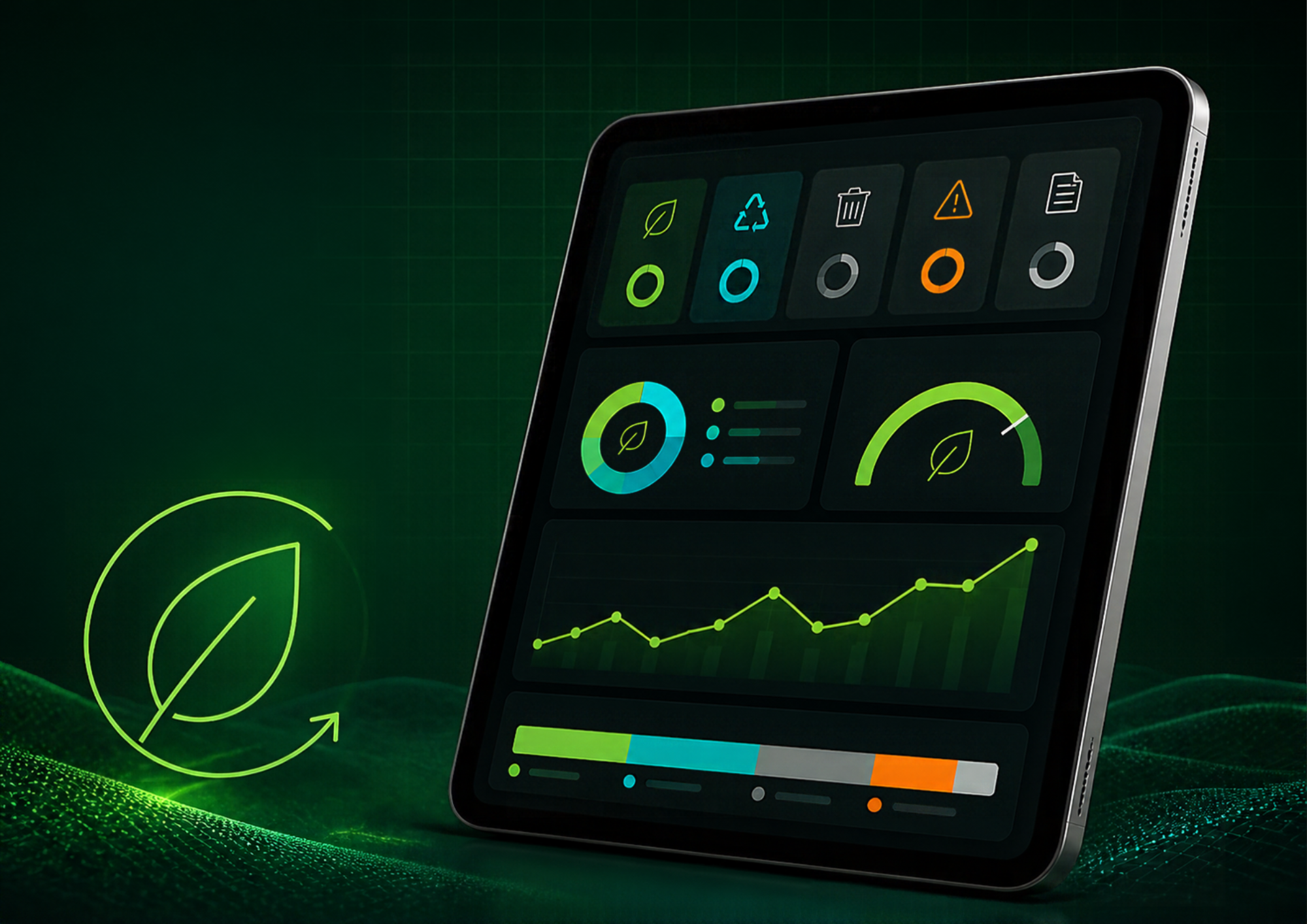
Many hotel operators know how much energy they use overall but have less visibility of where it is being consumed. Without detailed and accurate data, waste can easily go unnoticed.
Effective hospitality energy management means understanding consumption across guest rooms, public areas, kitchens, laundries and back-of-house operations. Regular monitoring can help teams identify trends, spot unexpected changes and pinpoint areas that need attention.
Better visibility can also support budgeting and forecasting. When managers understand how and when energy is used, they can make more informed operational decisions and plan future improvements with greater confidence.
Five Practical Ways Hotels Can Reduce Energy Costs
Once areas of waste have been identified, hotels can focus on measures that are practical, affordable and suited to the property.
- Review Energy Procurement Arrangements
Energy contracts should be reviewed regularly rather than simply renewed on the same terms. Market conditions, consumption patterns and business requirements can change, so an agreement that once worked well may no longer be the best fit.
A procurement review can give hotel operators a clearer understanding of costs, support more accurate budgeting and help ensure their buyer strategy reflects the needs of the business.
- Upgrade to More Efficient Lighting
Lighting is needed throughout a hotel, from bedrooms and reception areas to conference rooms and outdoor spaces.
LED lighting generally uses less energy and requires less maintenance than older alternatives. Occupancy sensors, timers and automated controls can provide further savings by ensuring lights are only on when needed.
- Optimise Heating, Ventilation and Air Conditioning Systems
Heating, ventilation and air conditioning (HVAC) systems can account for a significant proportion of hotel energy use. Poor scheduling missed maintenance and unsuitable temperature settings can all increase consumption.
Regular servicing and sensible scheduling can improve performance. Smart building controls can also adjust temperatures according to occupancy, helping prevent unnecessary heating or cooling in quieter areas.
- Use Data to Drive Better Decisions
Regular monitoring helps hotel teams move from guesswork to informed action. Energy data can be used to:
- Spot unexpected increases in consumption
- Find equipment operating outside scheduled hours
- Compare usage across different departments
- Improve budgets and forecasts
The clearer the picture, the easier it is to prioritise the changes most likely to make a difference.
- Encourage Staff Engagement
Technology can help, but lasting savings also depend on everyday behaviour. Staff are often the first to notice faulty equipment, unusual temperature changes or systems running when they should be switched off.
Simple actions – such as turning off unused equipment, reporting maintenance problems quickly and following efficient operating procedures – can reduce waste across the hotel. Clear guidance and regular reminders can help make these habits part of daily operations.
Small Changes Can Deliver Significant Results
A 15% reduction in energy costs is unlikely to come from one project alone. It is more likely to result from several smaller improvements working together.
By finding avoidable waste, improving visibility and making practical changes, hotels can lower operating costs while maintaining the comfort and service guests expect. Reviewing performance regularly will also help ensure that savings continue rather than disappearing over time.
Frequently Asked Questions
What uses the most energy in a hotel?
Heating, ventilation and air conditioning systems are typically the largest contributors to hotel energy consumption. Hot water systems, kitchens, laundry facilities and lighting can also account for a substantial share of consumption.
Can hotels reduce energy costs without affecting guest experience?
Yes. Many energy-saving initiatives, including LED lighting, occupancy sensors, smart thermostats and improved energy monitoring, can reduce consumption without impacting guest comfort or service levels.
Why is energy monitoring important for hotels?
Monitoring shows where and when energy is being used. This can help hotel teams identify waste, investigate unusual consumption and make better-informed operational decisions.
Need Help Reducing Hotel Energy Costs?
At Stadia Group, we help hotels and hospitality businesses better understand their energy usage, optimise procurement strategies and identify opportunities to improve efficiency.
Whether you have an upcoming contract renewal or looking for ways to reduce operational costs, our team can help you navigate the options available and build a strategy that supports your business objectives.
Speak to our team today to discuss your hotel’s energy requirements and discover how a tailored energy strategy could help reduce costs and improve efficiency.